Which Tool for Which Clog: A Diagnostic Tree for Santa Cecília Buildings
Is the water draining slowly, or not at all? That single question is where every practical decision begins when a drain in Santa Cecília starts to fail. The answer splits the problem into two very different branches, and each branch leads to a different tool, a different level of urgency and often a different professional. This diagnostic tree is written for residents, doormen and building managers who want to understand what is happening before they call anyone — and to make a smarter call when they do. If you already know the symptoms are serious, a desentupidora Santa Cecília team can confirm the diagnosis on site and choose the right equipment.
Branch One: Slow Drainage Means a Partial Blockage
When water still goes down but takes its time, the pipe is narrowed rather than sealed. This is the most common scenario in older buildings around Santa Cecília, where grease, soap residue and hair accumulate gradually on the inner walls. The good news is that partial blockages usually respond to mechanical or low-pressure tools before they become emergencies.
Start by checking whether the slow drainage is isolated to one fixture or repeats across the floor. A single slow sink points to a local trap; several slow fixtures point to a shared branch line. That distinction decides whether you need a hand tool or a machine.
Single fixture, slow drain: plunger and drain snake
For a sink, shower or toilet that drains slowly on its own, begin with a cup plunger to test whether the obstruction is close to the trap. If the water level barely moves, a manual drain snake — a flexible cable fed through the trap — can break up hair and soap deposits a few meters in. This is the least invasive branch and the one a resident can safely try first.
Multiple fixtures, slow drain: motorized auger
When two or more fixtures on the same line drain slowly, the blockage sits deeper in the branch. A motorized auger, sometimes called a drain cleaning machine, spins a steel cable through the pipe to cut through grease and scale. Building staff should treat this as the point where a professional assessment is worth the call, because forcing a cable into the wrong pipe diameter can damage older connections.
Branch Two: No Drainage at All Means a Full Blockage
If water stands still or rises when you run a tap, the line is fully obstructed. This branch is urgent because pressure has nowhere to go and can back up into other units or floor drains. The location of the standing water tells you which tool family applies.
Standing water in a floor drain or gully
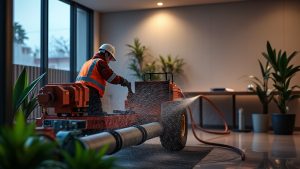
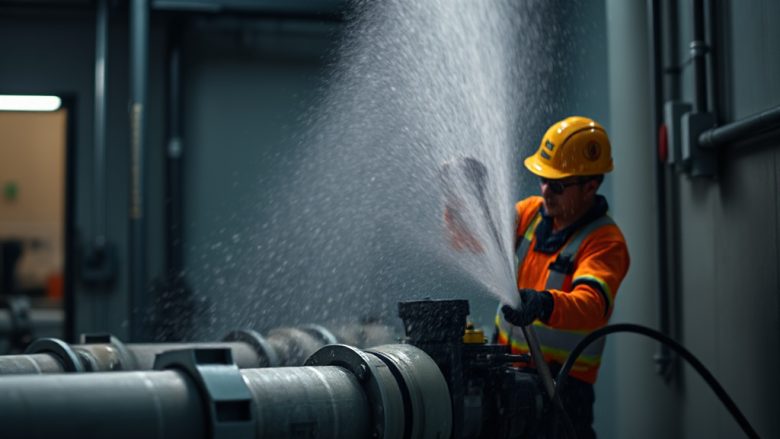
Floor drains in Santa Cecília’s older buildings often connect to the storm or sewage line and collect silt, roots and debris. A full floor drain usually needs high-pressure water jetting rather than a cable, because the obstruction is often a mass of soft material spread along the pipe wall. Hydrojetting scours the full circumference and restores flow rather than simply punching a hole through the clog.
Standing water in a toilet that gurgles elsewhere
Gurgling sounds in other fixtures while the toilet refuses to flush are a strong signal of a blocked vent or a main line, not a local trap. In this case, plunging can make things worse by pushing waste into the branch. Stop and call a desentupidora Santa Cecília São Paulo SP technician, who can inspect the line and decide between jetting and mechanical clearing.
Branch Three: Recurring Clogs Point to a Structural Cause
If the same drain blocks every few weeks, the tool you use matters less than the underlying cause. Recurrence is a diagnostic signal in itself: it suggests pipe slope problems, root intrusion, collapsed sections or a grease trap that is not being maintained. In these cases, clearing the clog is only a temporary fix.
Ask whether the blockage returns in the same spot or moves around. A fixed location suggests a physical defect; a moving location suggests accumulation along a run. Either way, a camera inspection is the next branch, and it is the step that prevents repeat callouts.
When to request a camera inspection
A camera survey shows the inside of the pipe and reveals cracks, offsets and root masses that no cable can fix permanently. For building managers in Santa Cecília, this is often the difference between patching a symptom and planning a real repair. Request it when a line has been cleared twice within a season.
Branch Four: Outdoor and Main-Line Symptoms
Outside the unit, the signals change. Slow drainage in an external gully, sewage odors in the garage or water pooling near a manhole point to the main line or the connection to the public network. These branches require heavier equipment and should not be handled with hand tools.
Hydrojetting for grease and sediment
High-pressure hydrojetting is the standard tool for main lines carrying grease, sediment and soft debris. It uses directed water jets to cut and flush material downstream, and it is effective on the long horizontal runs typical of older Santa Cecília buildings. A desentupidora em Santa Cecília São Paulo SP crew will usually pair jetting with a camera check to confirm the line is fully clear.
Septic tank and fossa cleaning
Buildings not connected to the municipal network rely on a septic tank or fossa. When drains are slow across the whole property and the tank has not been pumped in years, the tool is a vacuum truck, not a drain snake. Regular pumping is preventive maintenance, and skipping it is one of the most common causes of recurring backups.
Common Mistakes When Choosing a Tool
The most frequent error is reaching for a plunger on a main-line blockage, which can force waste into other fixtures. The second is using chemical drain cleaners repeatedly; they corrode older pipes and rarely remove the full obstruction. The third is renting a heavy auger without knowing the pipe material — cast iron and PVC respond differently to a spinning cable.
A simple comparison helps frame the decision:
| Symptom | Likely cause | Recommended tool |
|---|---|---|
| One slow fixture | Local trap clog | Plunger or manual snake |
| Several slow fixtures | Branch line buildup | Motorized auger |
| Full stop, floor drain | Silt and debris | Hydrojetting |
| Recurring clogs | Structural defect | Camera inspection |
| Whole-property slowdown | Full septic tank | Vacuum truck |
Never mix chemical cleaners with mechanical tools — the residue can splash and damage equipment or skin. Stop plunging if water rises in another fixture, because that confirms a shared line. And treat gurgling as a warning, not a harmless noise.
Frequently Asked Questions
How do I know if I need a desentupidora or just a plunger?
If only one fixture is slow and the water still moves, try a plunger first. If multiple fixtures are affected or water stands completely still, call a professional — the blockage is deeper than a hand tool can reach.
Can hydrojetting damage old pipes in Santa Cecília buildings?
When pressure is adjusted to the pipe material and condition, hydrojetting is safe. A technician should inspect the line first, especially in older buildings with cast iron or clay pipes, to set the correct pressure.
Why does my drain keep clogging after being cleared?
Recurring clogs usually mean the cause was never removed: grease buildup, root intrusion or a pipe offset. A camera inspection identifies the real problem so the fix lasts longer than a few weeks.
Is emergency service available at night?
Yes. Emergency hydraulic services operate around the clock in São Paulo, which matters when a backup threatens multiple units or a commercial space. Calling early prevents water damage from spreading.